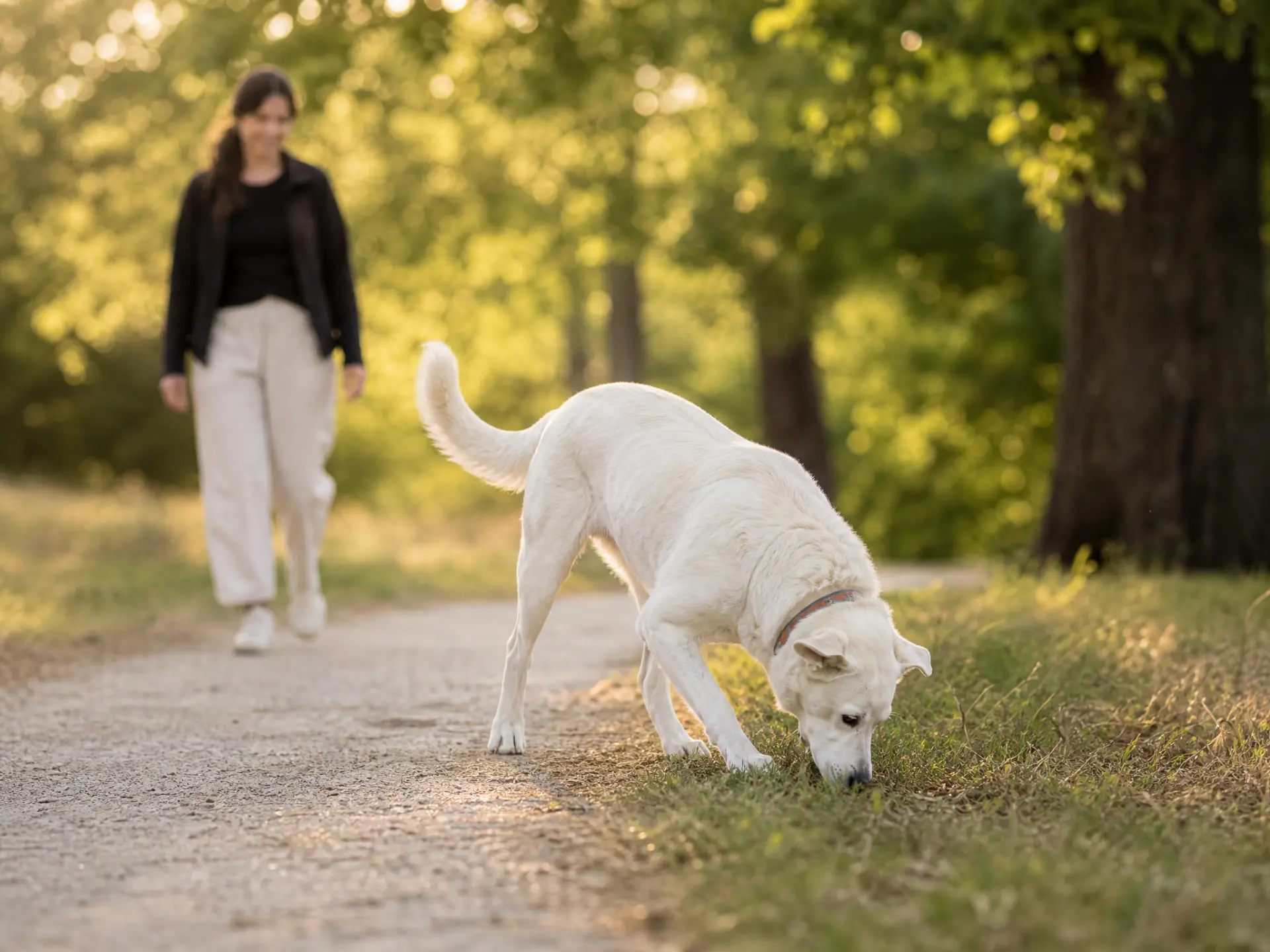
Read the Dog
Assessment and Individualized Planning
We start by understanding your dog before recommending any plan.
Balanced & Individualized Dog Training
Because the same behavior can come from different causes, every Good Choice program begins by understanding the dog, the owner's goals, and the life they share.
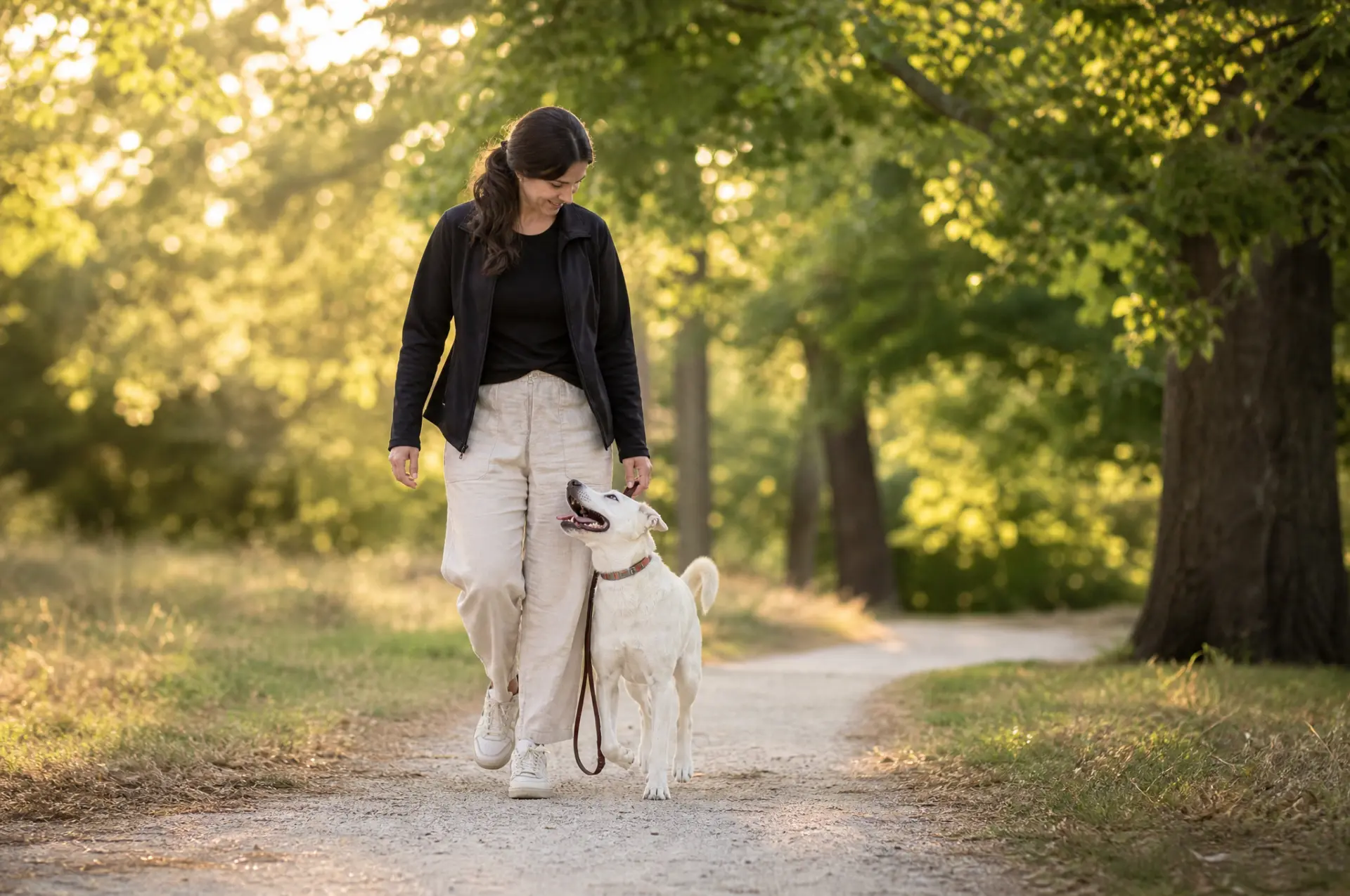
The Starting Point
A dog that pulls on leash, won't settle around guests, or reacts to other dogs isn't always dealing with the same problem as the next dog who does the same thing. Confusion, motivation, environment, stress, and learning history can all produce similar behavior — and they don't all call for the same response.
Generic advice usually assumes one cause. That's part of why it sometimes doesn't work, even when it's followed correctly.
Why Assessment Comes First
Before we recommend a plan, we spend time understanding what may be contributing to your dog's behavior — observing how your dog responds, identifying relevant patterns, and determining an appropriate starting point based on temperament, motivation, sensitivity, learning history, and the relationship you already have together.
Book an Assessment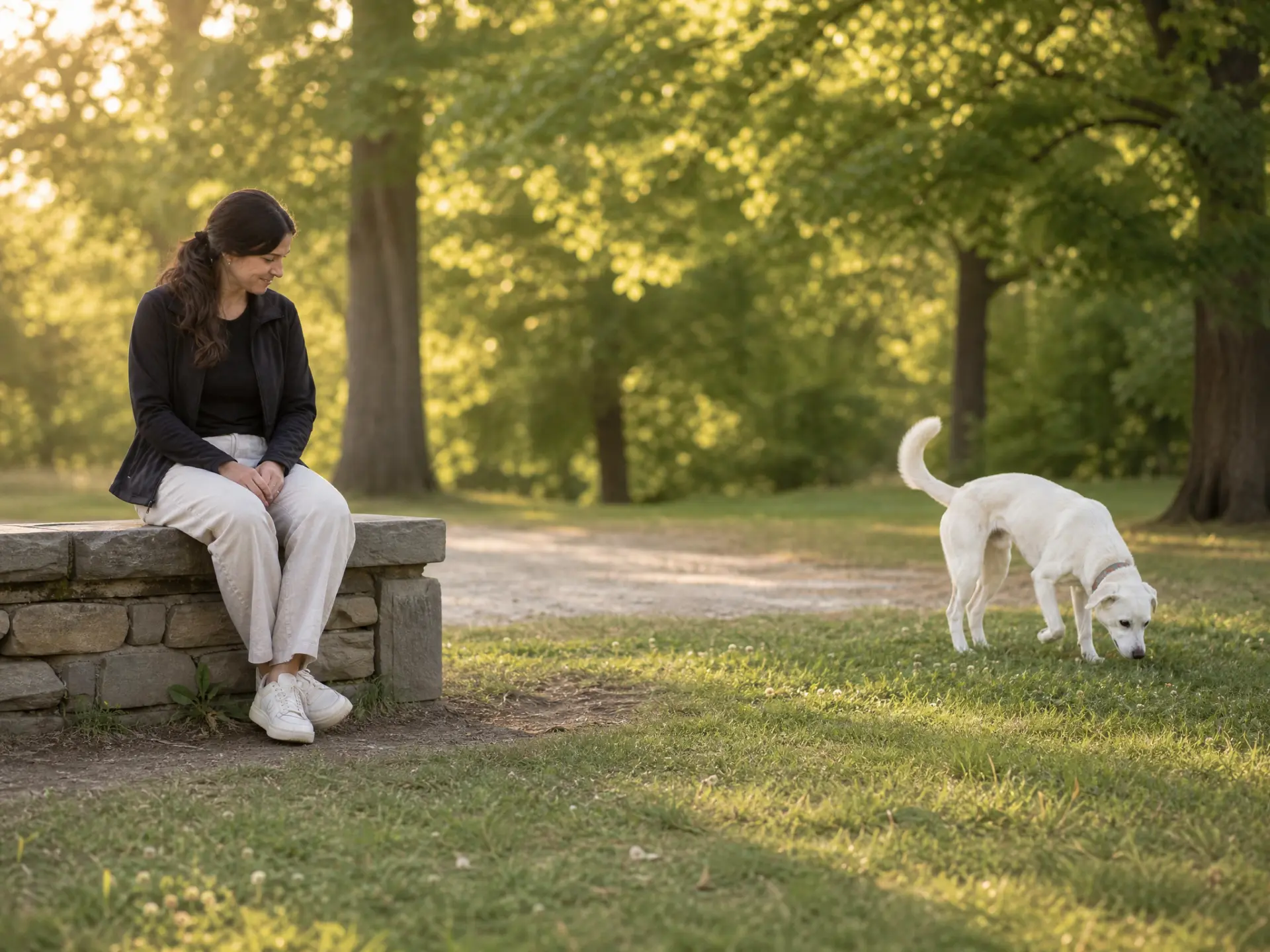
Our Framework
Five stages. One individualized plan, built around your dog from start to finish.
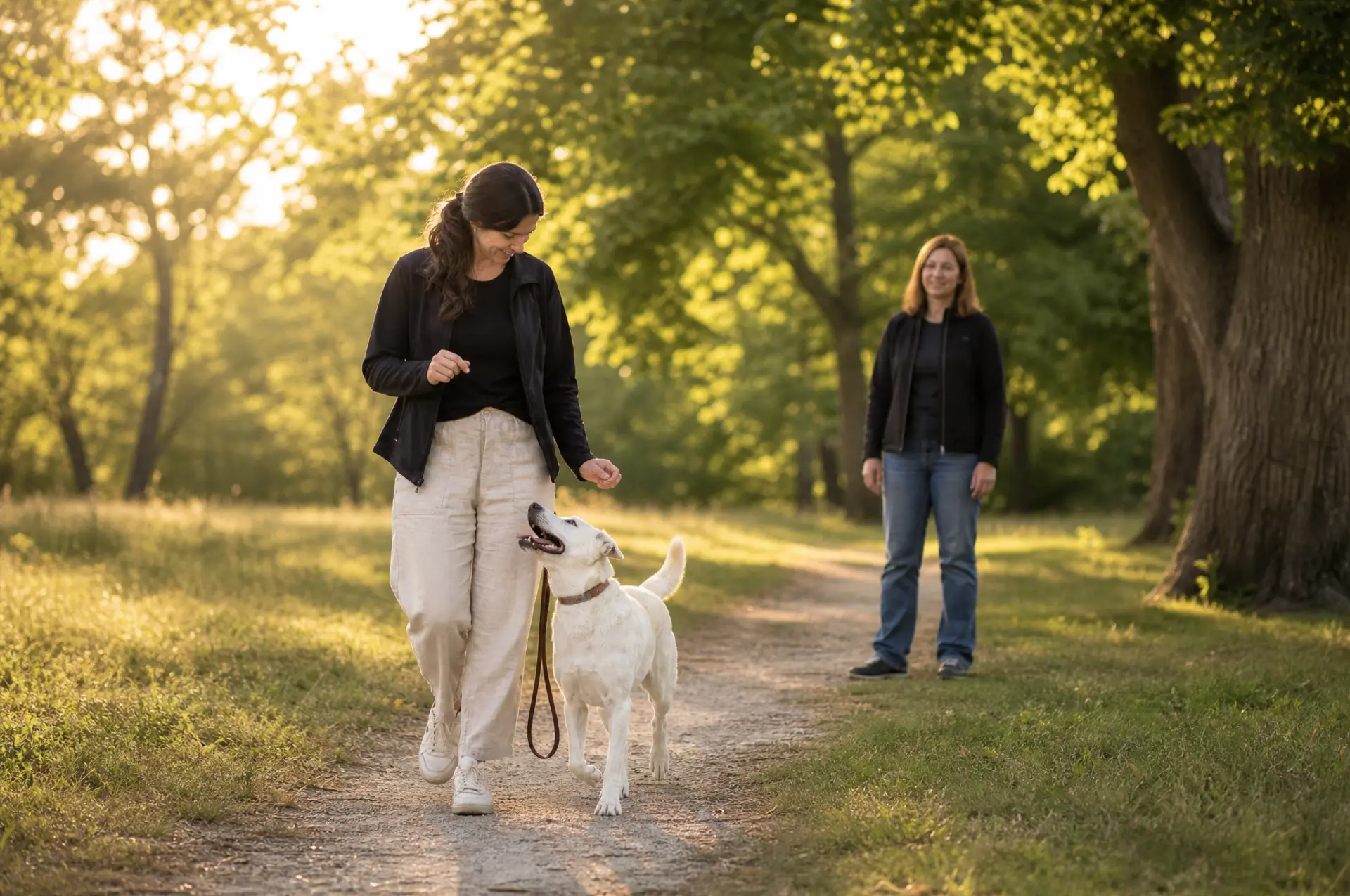
Assessment and Individualized Planning
We start by understanding your dog before recommending any plan.
Cues, Markers, Expectations and Feedback
We establish a way for you and your dog to communicate clearly.
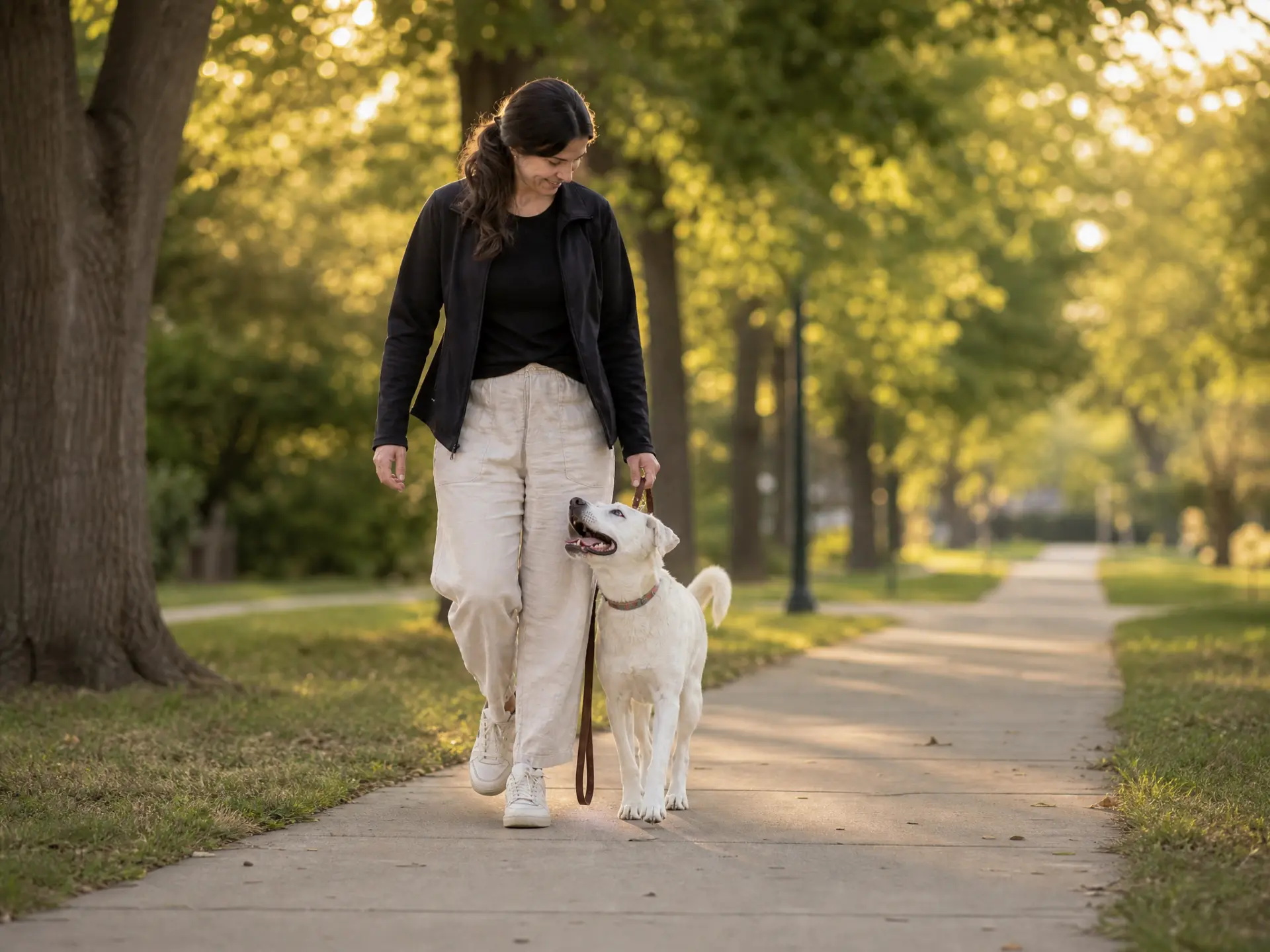
Manageable Challenges and Successful Recovery
We build real, earned success at a pace your dog can handle.
Distance, Duration, Distraction and Environment
Training is tested in real environments, not only quiet ones.
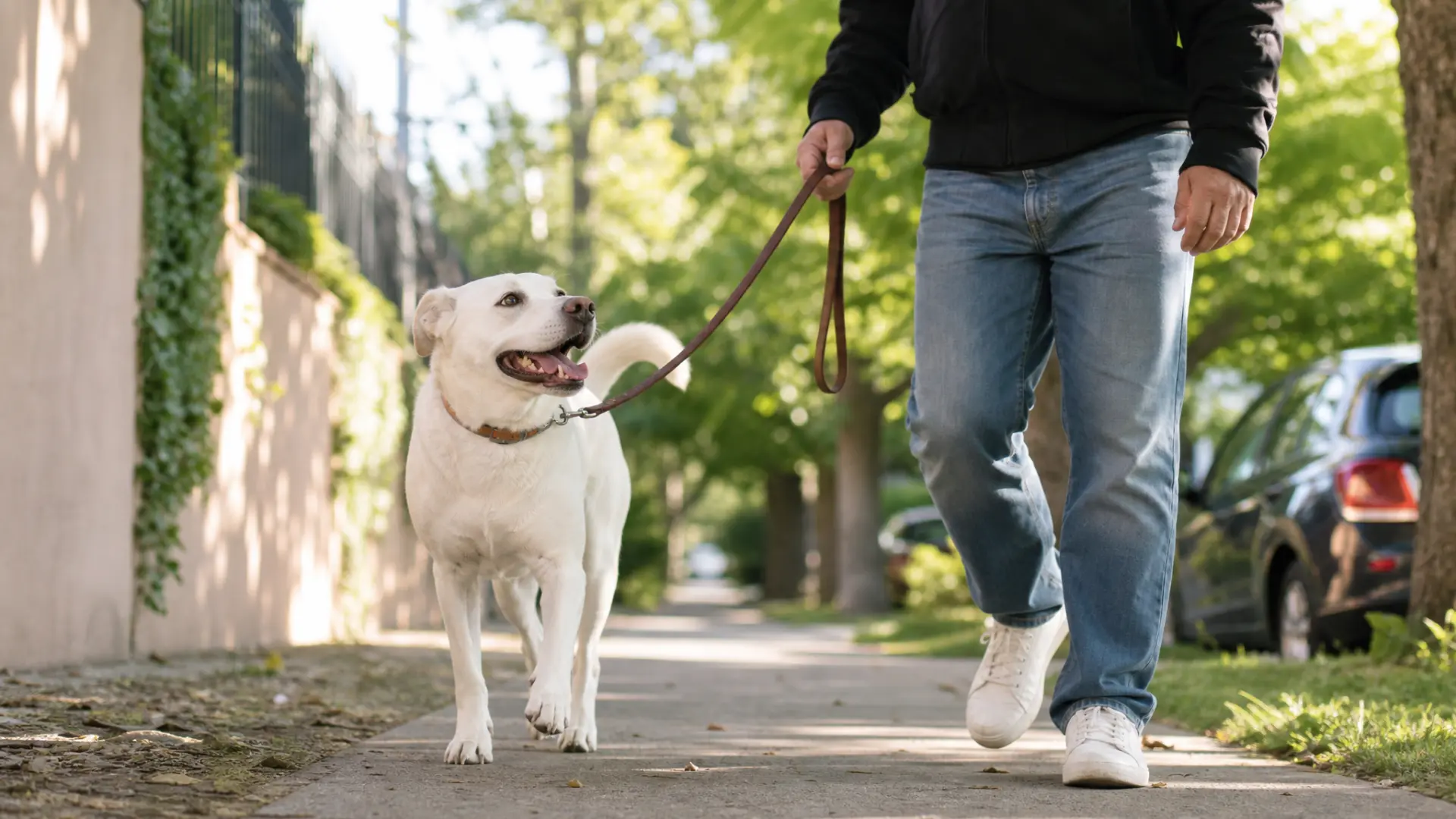
Owner Transfer, Maintenance and Continued Progress
We make sure you understand the communication, routines, and expectations relevant to your dog's plan.
Where to Start
For owners building structure and good habits from the start.
Learn more →For owners who want hands-on coaching built around specific goals.
Learn more →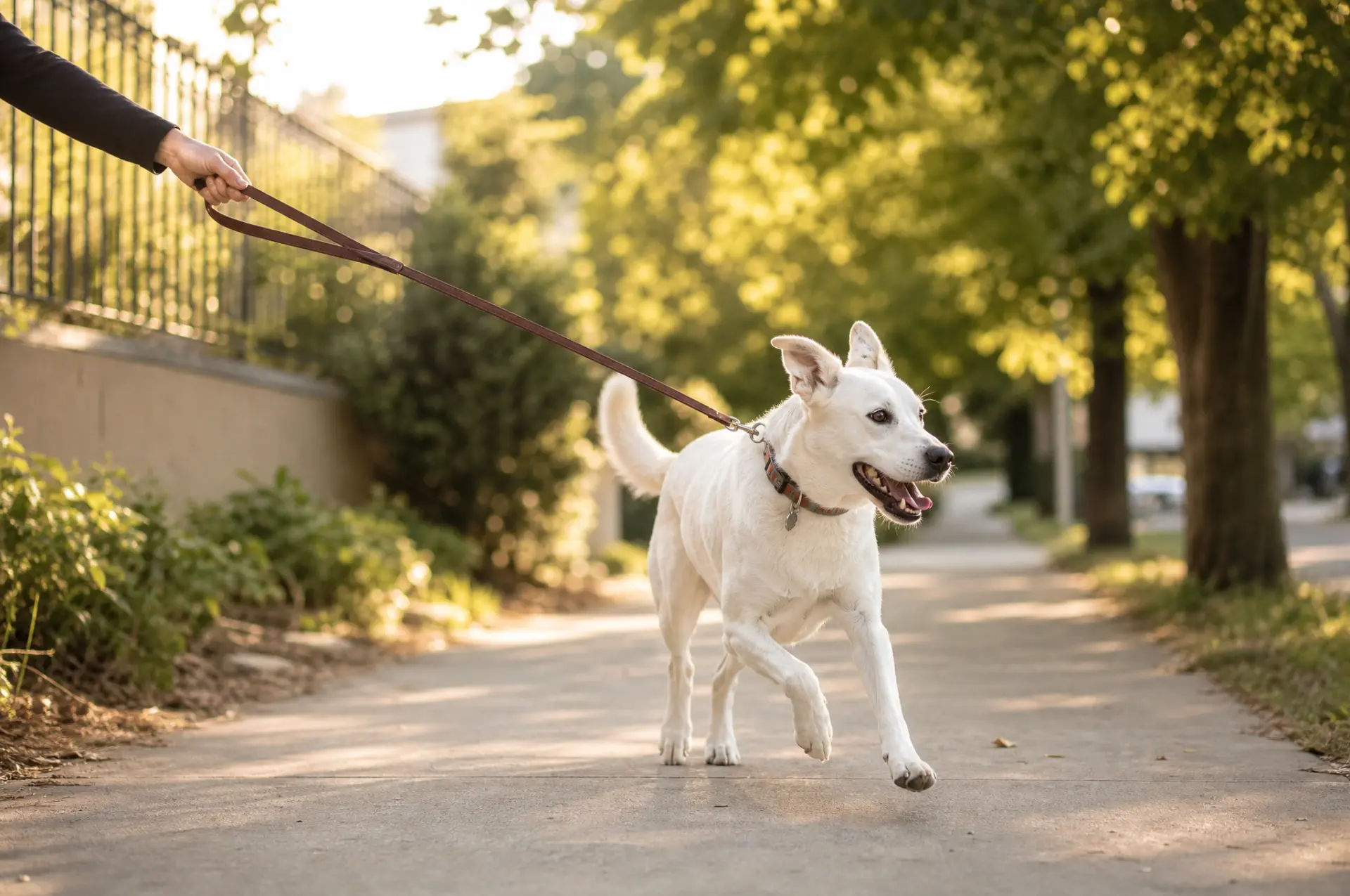
For dogs displaying significant fear, reactivity, avoidance, overarousal, or other behavior that calls for deeper assessment and an individualized plan.
Learn more →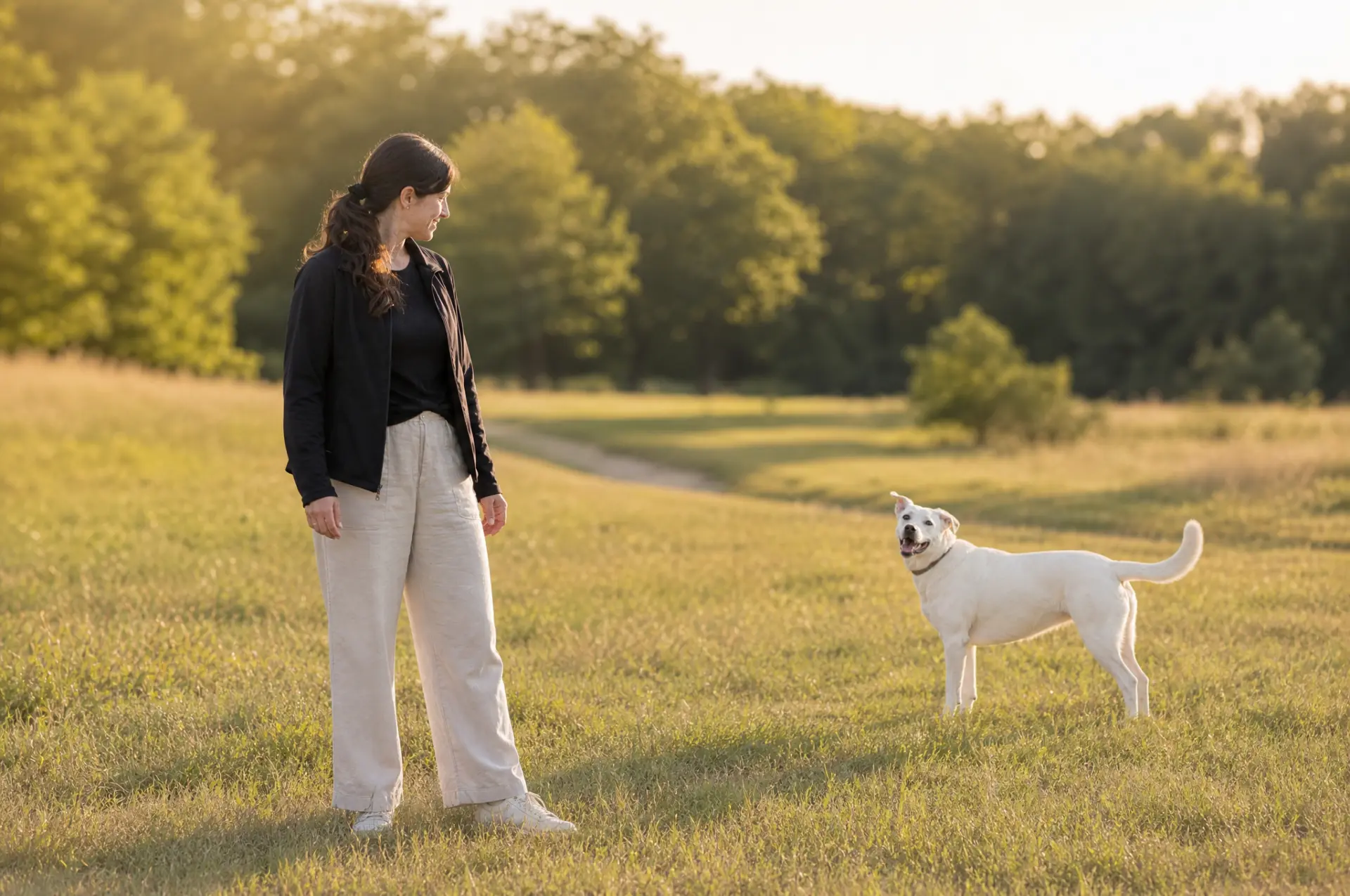
For dogs working toward reliable off-leash communication after completing the appropriate prerequisite training.
Learn more →For existing clients who have completed a program and need touch-ups, follow-up support, or questions answered.
Learn more →*Prerequisites apply. E-collar and off-leash training are only considered after your dog completes the selected foundational program and we confirm your dog is ready. Virtual follow-up coaching is available only to existing clients after completing a program.
The Owner's Role
You will be coached to understand and maintain the routines, communication, and expectations included in your dog's individual plan.
See What's Expected of YouOur Approach
We are not limited to one training ideology. We select tools and methods after assessing the dog—not before—and the dog's response helps determine whether the plan continues or changes. That may mean a primarily reward-based plan, clear structure and accountability, or a thoughtful combination based on the individual dog.
Common Questions
Yes, in some programs and only when appropriate for the individual dog and training objective. An e-collar is not automatically recommended, and its use requires proper teaching, fit, conditioning, and owner coaching. Learn more about our training philosophy.
Yes. Owner coaching is part of the process. You will be taught how to understand and maintain the routines, communication, and expectations included in your dog's individual plan. Long-term progress also depends on consistent follow-through at home.
Many owners have tried generic advice rather than an individualized assessment. We won't promise a different outcome before we've evaluated your dog — but we start from a different place. Learn more about our approach.

The first step is understanding your dog, your goals, and which type of support may be appropriate.